Birch Sap Powder vs. Liquid Birch Sap: How Multinational Beverage Companies Choose
When multinational beverage companies source ingredients globally, the choice of form—powder or liquid—directly impacts cost, quality, and supply chain stability. Let’s dive into the core advantages and drawbacks of powdered and liquid birch sap in cross-border transportation, storage, and processing.
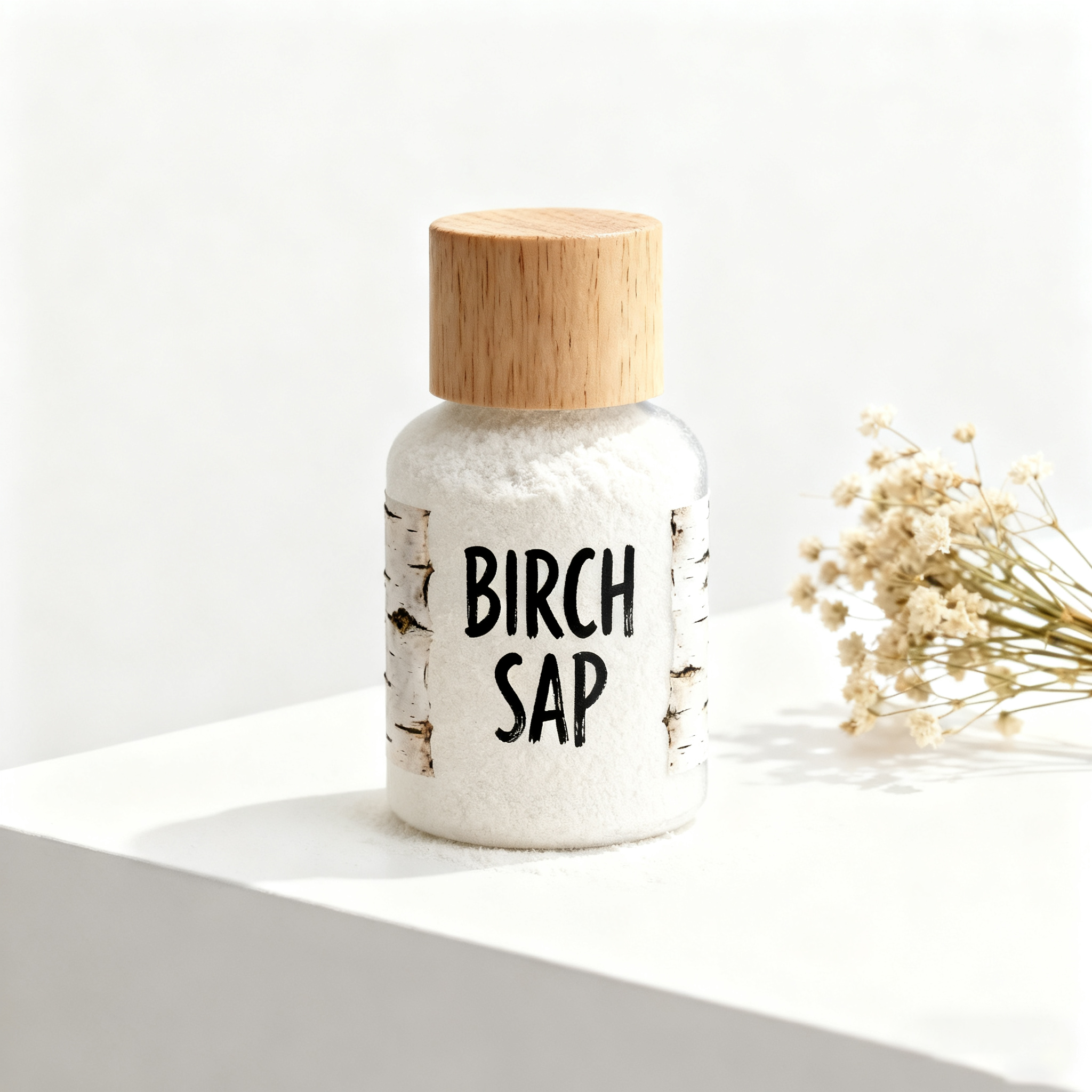
Powdered Birch Sap: The "Compliant" Choice
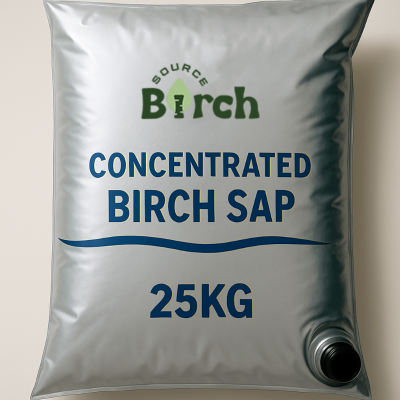
Powdered birch sap undergoes a transformation through spray-drying, which removes water and turns a delicate liquid into a stable raw material.
In transportation, companies no longer pay high freight costs for shipping "water" and can avoid reliance on fragile and expensive cold-chain systems. Like coffee powder or milk powder, it can be shipped economically via conventional logistics networks to factories anywhere in the world.
In storage, its extended shelf life—up to 18 months or more—means it only requires a clean, dry warehouse. This saves significant costs associated with refrigerated storage construction and energy consumption.
However, this convenience often comes at the expense of the product itself. The spray-drying process inevitably leads to some loss of nutrients, and the reconstituted sap may lack the fresh, vibrant flavor of its liquid counterpart.
Liquid Birch Sap: The Pursuit of Natural Authenticity
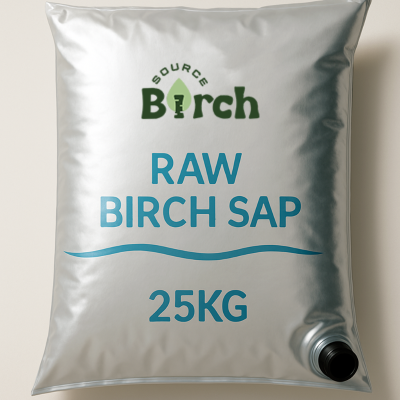
Liquid birch sap represents a commitment to natural and original quality.
In terms of product, its entire process—from collection and processing to transportation—focuses on "locking in freshness." It retains the full nutritional profile and refreshing flavor of birch sap, making it essential for brands aiming to build a premium, natural image.
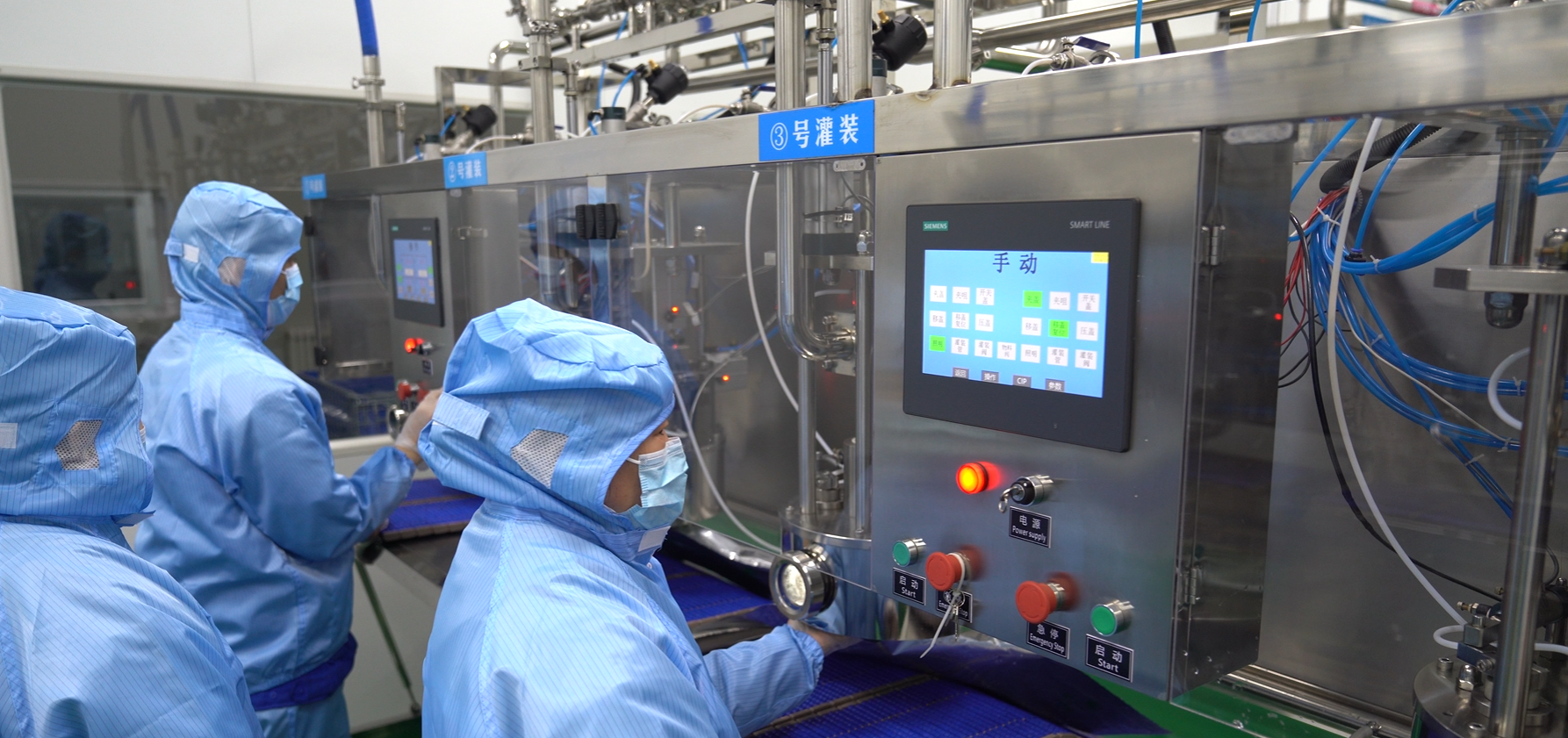
Thanks to innovative industry processes, it’s now possible to preserve liquid birch sap without relying entirely on traditional cold chains. This allows companies to pursue high-quality standards while addressing the challenges of transportation costs.
The Final Decision: A Strategic Balancing Act
A mature multinational company doesn’t simply choose one over the other. Instead, it makes a precise decision based on its target product and market positioning.
If a company targets the mass market, functional beverages, or uses birch sap as a base ingredient for flavored water, powdered birch sap is often the clear choice. Cost control, supply chain stability, and production convenience are the top priorities.
If a company aims to create an ultra-premium, natural health beverage or emphasizes a "true-to-origin" single-origin concept, liquid birch sap becomes the foundation of its product appeal.
In Summary
The choice between powdered and liquid birch sap reflects the eternal tension in the modern food industry between "standardized efficiency" and "natural uniqueness." For multinational companies, the decision ultimately comes down to a careful balance of their target consumers, brand promise, and supply chain capabilities.