How to Evaluate Reliable Certifications for Birch Water Suppliers: A Key Guide to Building Procurement Trust
1. Organic Certification
Organic certification forms the foundation for assessing birch water quality. It ensures that the entire process—from harvesting and processing to packaging—adheres to organic farming standards, free from chemical pesticides, heavy metal contamination, or artificial additives. Buyers should focus on verifying the following:
✦Authority of the Certifying Body: Reliable organic certification should be issued by internationally or nationally recognized organizations, such as EU Organic Certification, US FDA certification, etc.
✦Validity and Scope of Certification: Ensure the certification is current and clearly covers the birch water harvesting areas and processing stages.
✦Transparent Traceability System: Reputable suppliers establish a traceability system from forest to finished product, allowing verification of the organic origin of each batch via lot number queries. Suppliers lacking transparency often struggle to withstand in-depth verification.
In addition to organic certification, internationally recognized quality management system certifications are crucial indicators of a supplier’s compliance. ISO and FDA certifications demonstrate that a supplier’s production processes and safety standards meet international levels.
✦ISO Certification: Ensures the supplier’s capability in standardized management during processing, storage, and transportation. For example, ISO 22000 certification requires companies to implement Hazard Analysis and Critical Control Points (HACCP) to effectively prevent biological and chemical contamination.
✦FDA Certification: For birch water exported to the U.S. market, FDA registration is a mandatory requirement. Buyers can verify a supplier’s registration status and historical compliance records through the FDA’s official website.

3. Comprehensive Evaluation
Relying on a single certification is insufficient to guarantee a supplier’s reliability. Buyers should combine the following measures to establish a complete trust assessment system:
✦On-site Audits and Third-party Inspections: Prioritize suppliers that allow third-party on-site audits. Inspecting harvesting forests, processing equipment, and sanitary conditions firsthand can visually verify the authenticity of certifications.
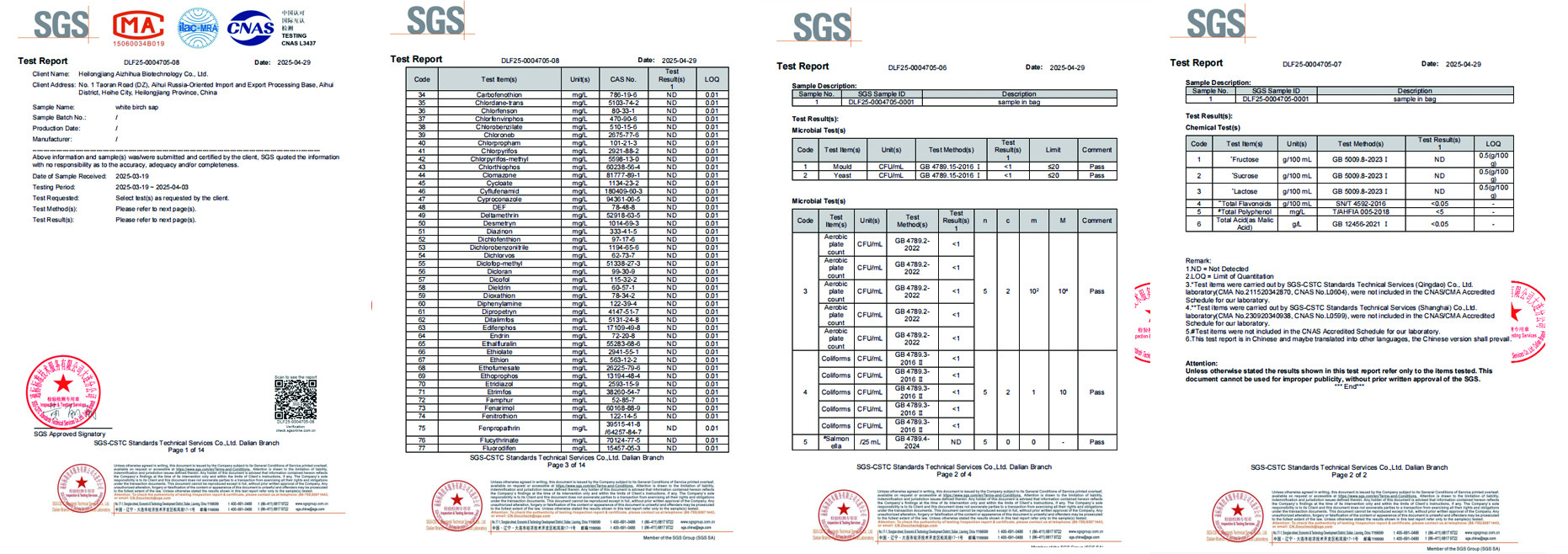
✦Test Reports and Ingredient Analysis: Request recent third-party test reports from suppliers, focusing on pesticide residues, microbial indicators, and active ingredient content (e.g., minerals, polysaccharides). Products meeting EU or U.S. pharmacopoeia standards are more compelling.
✦Export History and Client Feedback: Investigate the supplier’s export records and feedback from international clients. Suppliers with long-term partnerships in Europe and the U.S. and no history of quality disputes often place greater emphasis on maintaining certifications and compliance.
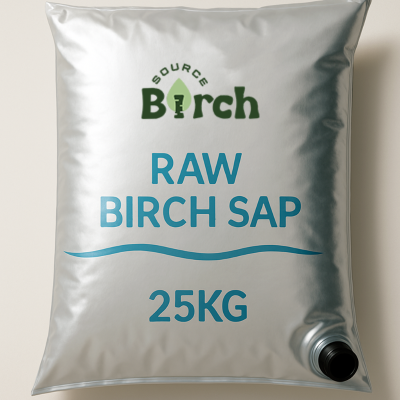
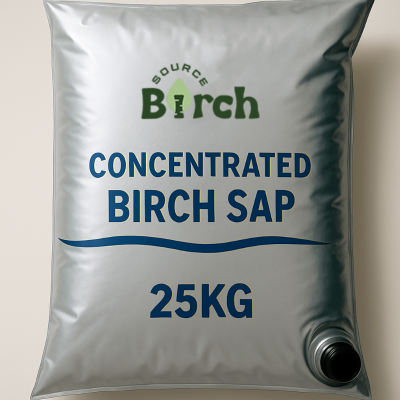
SourceBirch employs a fully traceable system and holds multiple certifications, including EU Organic Triple Certification, U.S. FDA certification, ISO 9001 International Quality Assurance System, ISO 22000 International Food Safety Management System, SGS Global Certification, a 315 Integrity Enterprise Certificate, and insurance coverage from PICC (People’s Insurance Company of China). These credentials demonstrate its commitment to quality and have earned trust worldwide.